The Chopping Board Route to Hot Chocolate (and the Two Shortcuts I Still Use)
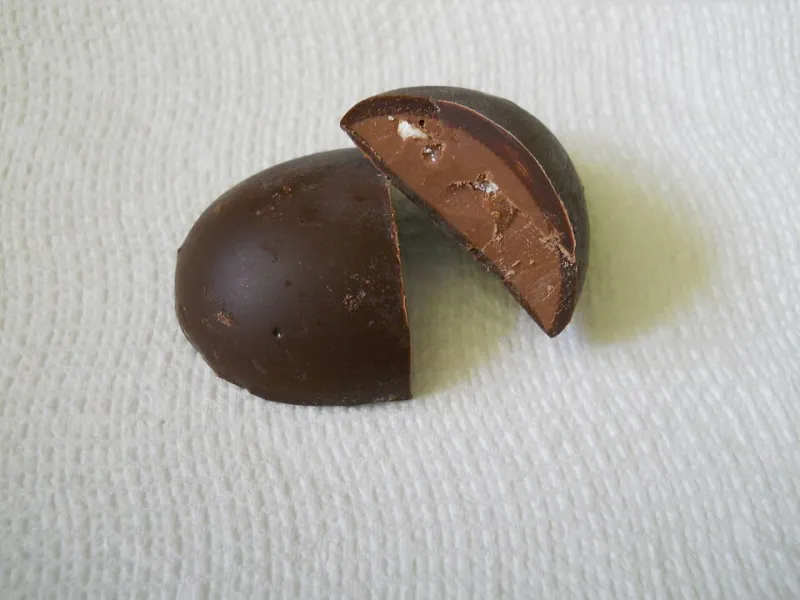
Photo: Woodlot, CC BY-SA 4.0, via Wikimedia Commons
There is a particular kind of November afternoon when the rain has settled in, the kitchen window has gone steamy, and the only sensible response is a mug of something dark and warm. For years I made hot chocolate the easy way: spoon, powder, hot milk, stir. It was fine. It was also, I realise now, a bit like making a cup of tea by dropping a teabag into a thermos and hoping for the best.
The argument here is not that powder is wicked or that tinned drinking chocolate has no place. It is that hot chocolate improves enormously when you stop treating it as a beverage assembly task and start treating it as a very small cooking job. Two ingredients, one knife, one pan, five extra minutes. That is the whole pitch.
Start with a knife, not a spoon
The first change is texture. Chocolate that has been chopped into fine shards melts more evenly than a lump dropped into hot milk. A lump will eventually give in, but it does so sulkily, leaving a sweet puddle at the bottom of the mug and a thin, vaguely chocolatey liquid above it. Shards disappear into warm milk with a bit of whisking and a lot less drama.
You do not need a fancy bar. A standard 100g bar of dark chocolate, somewhere between 60% and 70% cocoa, is plenty. I chop about 30g per mug, which sounds precise but is really just a small handful once it is in pieces. The knife matters less than the size: aim for flakes and little chips, not boulders.
Cocoa is a different creature. It brings a deep, roasted flavour and a pleasing bitterness, but it also brings grit if you are careless. I whisk cocoa into a little cold milk first, or make a paste with a spoonful of hot milk, before adding the rest. Skip that step and you will spend the next ten minutes chasing tiny dark specks around the pan.
The supermarket tin is the third route. It is sweet, nostalgic and almost foolproof, and on a bleak day it has a certain low-effort charm. But compared with chopped chocolate it often tastes thinner, more sugary and less like actual chocolate. It wins on speed and loses on body.
The small pan and the heat problem
A small saucepan is better than a mug in the microwave for one simple reason: you can see what is happening. Milk wants to be hot, not boiling. Once it is steaming and beginning to tremble at the edges, turn the heat right down. Add the chopped chocolate and whisk gently until it melts.
If the milk boils, the chocolate can turn grainy and the whole thing starts to look like a mistake. I have made that mistake. I have also tried to rescue it by whisking harder, which does not work, and by adding more chocolate, which only makes it thicker and sadder. Better to keep the heat low and take the pan off the hob for the last bit of melting.
A balloon whisk is useful, but a fork will do. What you want is movement without fury. Fold the chocolate through the milk, let it sit for a moment, then whisk again. The mixture should look glossy, not foamy.
Salt: a pinch, not a theme
A small pinch of fine salt makes chocolate taste more like itself. It does not make the drink salty, or savoury, or clever. It just sharpens the edges. I add it with the chocolate, not at the end, so it has a chance to dissolve.
This is not an invitation to tip in a teaspoon. Salt is a supporting actor here. If you can taste it as salt, you have gone too far. The same goes for sugar. Good dark chocolate usually has enough, but if you are using a sharper bar or cocoa, a teaspoon of caster sugar stirred in with the milk is a reasonable adjustment.
Milk fat and the thinness problem
Whole milk makes a noticeably better mug than skimmed. The fat carries the chocolate flavour and gives the drink a rounder texture. Semi-skimmed is workable; skimmed is a stretch. If you want something closer to a café version, replace a splash of the milk with double cream. Not a lot. A tablespoon is enough to change the body without turning it into dessert.
Oat milk works, but it brings its own flavour. Some brands are better than others, and the bar-style versions tend to be richer. I would not fight anyone over it. I would simply say that if your hot chocolate has been tasting thin, check the milk before you blame the chocolate.
What the three tests actually tasted like
The chopped dark chocolate mug was the clear winner. It was thick without being claggy, glossy on top and tasted of cocoa rather than sugar. The flavour lingered. It felt like something you would be happy to be handed in a small café, except that it came from my own hob and cost less.
The cocoa version was the most interesting and the most temperamental. Made carefully, it had a deep, almost bitter edge that I liked a lot. Made hastily, it was grainy and a bit dusty. It needs a paste stage and a little patience. I would make it again, but not when I am in a rush.
The supermarket tin was exactly what I expected: sweet, smooth, instantly familiar. It was not bad. It was just thin next to the chopped chocolate, and it left me wanting a biscuit to make up for the missing body. There is a time for that tin, and it is not the same time as the small pan.
Where it goes wrong
The usual mistakes are simple. Chocolate not chopped. Milk too hot. Cocoa not whisked into a paste. Too much cocoa for the amount of milk. Not enough fat. And, perhaps most common, expecting the drink to be ready the second the chocolate hits the milk. Give it a minute to come together.
A muddy mug is often just an impatient mug. Take the pan off the heat, whisk, wait, whisk again. If it still looks split, a tiny splash of hot milk and a gentler hand will usually bring it back.
The mug I actually make on a cold Tuesday
For one mug, I warm about 150ml of whole milk in a small pan with a pinch of salt. While that heats, I chop 30g of dark chocolate. When the milk is steaming, I turn off the heat, add the chocolate and whisk until it is glossy. Sometimes I add a teaspoon of cocoa for depth, but only if I have remembered to make it into a paste first. Then I pour it into a mug that has been warmed with hot water, because a cold mug takes the heat out of the drink faster than you would think.
I still keep two shortcuts. The first is a small jar of pre-chopped chocolate in the cupboard, done in a quiet moment so that a Tuesday mug does not require a chopping board. The second is the microwave, used only to take the chill off the milk before it goes into the pan. Neither is purist. Both are useful. Hot chocolate should not become a lecture.
What it should be is a small, deliberate pleasure. The knife, the pan and the five extra minutes are not fuss for the sake of fuss. They are the difference between a sweet hot drink and a proper mug of chocolate. In November, that difference is worth it.