Sticky, Golden, Slightly Annoying: My First Proper November With Quince
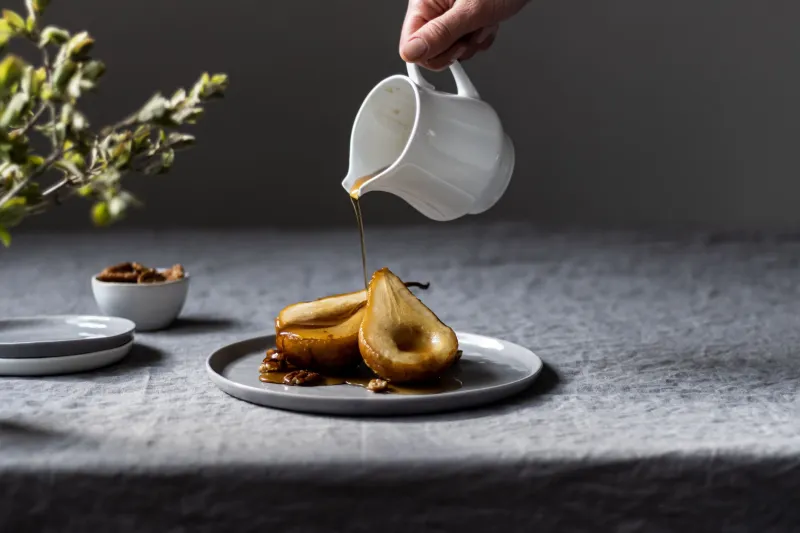
Until this month, quince was a fruit I admired from a distance. I liked the idea of it more than the reality: the hard, pear-like shape, the fuzz, the way it turns up at the end of autumn looking like it has been dug out of a hedge. This November, with the market stalls finally carrying them, I bought a couple and gave myself a week to get past the admiration stage.
What followed was not a triumph from the first pan. It was a useful, slightly sticky lesson in what quince wants from a cook. If you are also a first-timer, here is what I found.
What I Bought, and What It Cost
I paid £4.60 for two quinces at a regional farmers' market. They were British, heavy for their size and yellow with a green flush. The stallholder said they were ready, which I took to mean they would perfume the kitchen within a day. She was right. By the evening, the whole room smelled of something between pear, honey and a flower shop.
Choose firm fruit with no soft spots. A little bruising is fine if you plan to cut around it, but avoid anything that feels light or hollow. Heavy is good. The fuzz is normal; it rubs off under cold water, though it does cling to tea towels like a small revenge.
Quince is not cheap compared with apples and pears. Two fruits gave me a pudding for four and a small jar of membrillo, so the maths is not outrageous. It is a treat, not a weekly staple.
The Prep Is Fiddly, and That's Fine
I peeled mine, quartered them and cut out the core with a small knife. The fruit is dense and slippery, so take it slowly. The core is not like a pear's; it is a hard, woody business that needs a bit of patience. I kept the cut pieces in water with a squeeze of lemon to stop them browning, which helped but did not stop the kitchen looking like a crime scene.
This is the honest bit: quince prep is fiddly. It is not difficult, but it is not the sort of thing you do in a hurry before nursery pick-up. Put the radio on and accept that the skin, the fuzz and the hard core are part of the deal.
Poaching Without Mush: The Hob vs the Oven
My first attempt was on the hob: quince quarters in a syrup of sugar, water, lemon peel and a bay leaf, brought to a bare simmer. It smelled wonderful. It also went from firm to collapsing much faster than I expected. By about 25 minutes, the edges were leaning into jam and the quarters were losing their shape.
It was not a disaster. We ate it with yogurt and it tasted like a grown-up pear compote. But it was not the quince I had in mind.
The second attempt worked much better. I made a syrup with 400g sugar and 1 litre water, added a strip of lemon peel, half a vanilla pod and a bay leaf, and put the quince halves in a baking dish. I covered the dish with foil and baked it at 150°C for about 80 minutes, then left it to cool in the syrup. The fruit held its shape, turned a deep golden-pink and took on that perfumed flavour without going soft. A knife slid in with just a little resistance.
That is the method that earned a repeat. The hob is fine if you want a compote. The oven is the one for halves you can actually serve on a plate.
Membrillo: The Stickiness Question
I made membrillo with a third quince, because two were already in syrup and I wanted to know whether the home version is worth the stirring. I chopped the raw fruit, simmered it with a splash of water until soft, blitzed it and weighed the puree. Then I added the same weight of sugar and cooked it low and slow, stirring almost constantly.
It took about 45 minutes. It spits. It thickens suddenly. It is the kind of recipe that makes you understand why people buy the neat block in the supermarket.
But the homemade version is not the same thing. Mine was rustically lumpy, deep orange and more fragrant than any shop membrillo I have had. It was also sweeter than I would like, so next time I would use about 20 per cent less sugar. If you have a wide, heavy pan and an audiobook, it is worth making once. If you want a perfect brick for a cheese board, buy one and put your feet up. I am glad I made it, but it is a weekend project, not a Tuesday-night whim.
The Syrup Is the Real Prize
Do not pour the poaching syrup down the sink. Strain it, bottle it and keep it in the fridge for a couple of weeks. It is ruby-coloured, faintly floral and useful in ways I did not expect. We spooned it over porridge, stirred it into yogurt, used it to roast carrots and made a very good quince and soda with a squeeze of lime.
It also made the whole experiment feel less like a faff. The fruit is the headline, but the syrup is the bit that quietly earns its place in the fridge door.
Would I Buy Them Again?
Yes, but with a plan. I would buy two or three at a market, poach them in the oven on a Sunday and use the syrup through the week. I would make membrillo again in a smaller batch, and I would not try to poach quince on the hob while also answering emails.
Quince is old-fashioned for a reason: it asks for a bit of time, and then it gives you something that tastes like it took more effort than it did. If you see them at a UK market this month, buy a couple. Just clear an afternoon and keep a cloth handy.