Write It Down: The Scruffy Notebook That Quietly Improved My Cooking
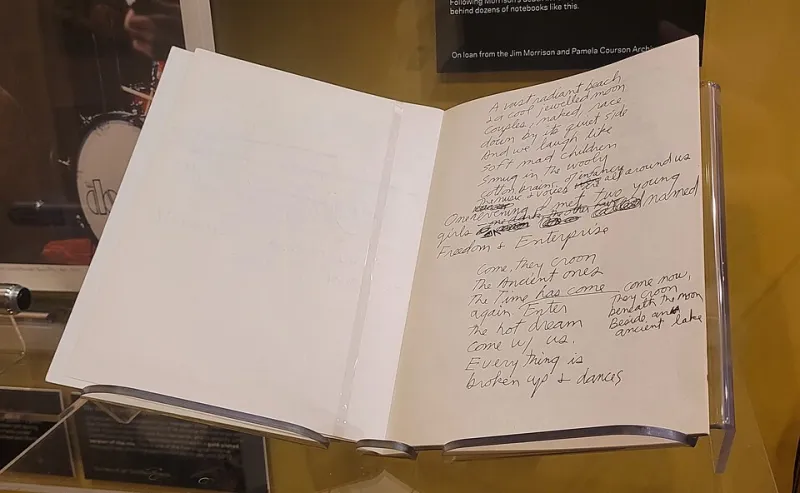
Photo: Superraptor123, CC BY-SA 4.0, via Wikimedia Commons
I own a lot of cookbooks. I own a drawer of things with one job each. The single most useful piece of kit in the Harris kitchen, though, is a £2.50 notebook that also holds the shopping list, a dried-out pen and a butter stain on page nine.
It is a flavour diary, and I think it is the most underrated habit a home cook can pick up.
The trouble with cooking from memory
We are dreadful witnesses to our own dinners. You cook something on a Tuesday, it turns out well, and by the following month you cannot remember whether the oven was too hot, whether the salt was right, or whether the expensive cheese was actually better than the cheap one. Memory smooths everything into 'it was nice'.
So we repeat the same small mistakes and, worse, we lose the good discoveries. That sauce that worked because you added a splash of vinegar? Gone. The roast that finally crisped because you flipped it? Gone too.
What a flavour diary actually is
It is not a recipe book, and it is not a journal in the scented-candle sense. It is a page, maybe five lines, per thing you cook or taste — written while you eat or straight after, in plain language.
It is not about being a good writer. It is about being an honest witness. If the soup was thin, write that the soup was thin.
How to start, in ten minutes
Any notebook will do. Keep it in the kitchen, not in a drawer, because a diary you have to go looking for is a diary you will abandon by February.
My format is deliberately basic:
- Date and what it was
- Why I chose it — the cut, the variety, the price, the shop
- What I tasted — salt, acid, sweetness, heat, texture, aftertaste
- What I would change next time
- Would I buy or cook it again, and at what price
Those prompts do the heavy lifting. Salt: too little, too much, about right? Did it need lemon or vinegar? Did the flavour linger pleasantly or turn claggy? It takes two minutes and it stops the whole thing feeling like homework.
One habit worth adding: note the price per useful portion, not just the price on the label. It is where the interesting answers live.
Two real entries, warts and all
Entry one: two Cheddars, side by side
Own-label mature Cheddar, 400g, £3.30. Cloth-bound West Country Cheddar from the deli, 250g, £8.
The cheap one: salty from the first bite, then not much. Slightly rubbery, sharp in a blunt sort of way, no finish. Fine grated into a sauce where it is one voice among several, and honestly fine on toast under the grill.
The expensive one: crumbly, with those little crunchy crystals, a milky sweetness up front and a long savoury finish that kept going after I had stopped chewing. It was noticeably better eaten on its own — and noticeably wasted in a cooked dish, where all that subtlety vanished.
Conclusion written in the margin: keep the supermarket one for cooking, buy the good one only for the board, and buy half as much of it. That is a sourcing decision I would never have reached without writing the two side by side.
Entry two: the squash that taught me about heat
Crown Prince, halved, seeds out, oil and salt. Half went in at 200°C fan, half at 220°C fan, cut side down.
At 200 it went soft but stayed pale and a bit watery at the neck — perfectly pleasant, slightly bland. At 220 the cut edges caramelised properly, the flesh was denser, and the sweetness was much more pronounced. Same squash, same seasoning, different oven.
Next time: 220°C fan, cut side down for thirty minutes, then flip and give it ten more. And no cumin on this one — I tried it and it fought the natural sweetness rather than flattering it.
That is the sort of note that quietly changes how you cook for years.
What changes after a month
Three things, in my experience.
First, your seasoning improves, because you start to spot your own patterns. Most of us under-salt or over-acidify by a consistent amount, and the notebook makes that visible in a way that tasting from the pan never quite does.
Second, your sourcing sharpens. You learn which expensive purchase genuinely earns its place and which is just a nice label. That is worth real money over a year.
Third, your recipe instincts get better. Once you have noted why a dish worked, you begin to see the structure underneath a recipe rather than following it blindly — and you start tasting as you go instead of hoping for the best at the end.
A few honest rules
Write it the same day, even if it is three words. Be ruder about your own cooking than you would be about a restaurant's. Note what you would change, not just what you enjoyed. Skip weeks without guilt — it is a tool, not a streak. And compare whenever you can: two cheeses side by side will teach you more in ten minutes than either one alone will teach you in a month.
That is the whole idea. No app, no subscription, no colour-coded system. Just a scruffy notebook, a pen that works, and the small discipline of paying attention to what you actually tasted.