Nobody Notices the Anchovy (That's the Point)
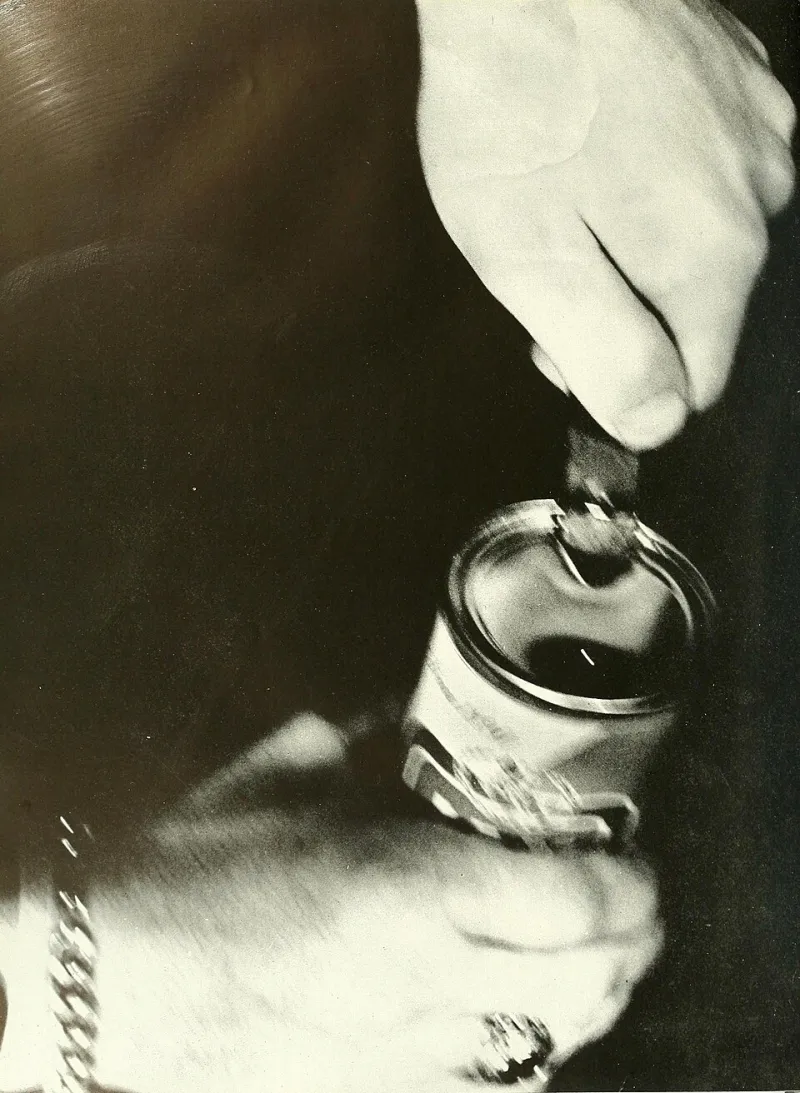
Photo: Uncredited for the Jambalaya, Public domain, via Wikimedia Commons
There is a tin at the back of almost every British kitchen cupboard that has been there since a recipe asked for two fillets and never asked again. It costs about a pound. It is, I'd argue, the most useful thing in there.
Anchovies have a reputation problem, and it is almost entirely the fault of people who have met them badly: a whole slippery fillet on a pizza, a heavy hand in a dressing, a jar that had been open since 2019. Used properly, nobody at the table will be able to name them. They will just say the sauce tastes more of itself.
Where the fear comes from
Mostly from volume and from heat. An anchovy eaten cold and whole is a punchy, salty, fishy thing, and if that is your first experience of one it is entirely reasonable to never go back. Melted into warm oil with garlic until it collapses, it becomes something else: a savoury base note, closer to stock than to fish.
The other culprit is cheap tins with a muddy, stale edge. If your only anchovy memory is metallic, buy one better tin and try again.
A short buying guide, with notes
Anchovies come two ways: in oil, ready to use, or packed in salt, which need rinsing and filleted by hand and are worth it about once a year.
Supermarket own-brand in oil, roughly £1–1.50 per 50g tin. Soft, quite salty, slightly woolly texture, a faintly dull finish. Perfectly good for cooking — anything where they will dissolve into fat and disappear. Do not serve these on toast.
Ortiz or similar Spanish jars, around £4–5 for 95g. Firmer fillets, clean briny flavour, a texture that holds together. These are the ones worth eating cold, on buttered toast, with a glass of something dry. Noticeably better and noticeably dearer; buy them for the jar, not for the pan.
Salted anchovies from a deli counter, sold loose or by the small jar. Dramatically intense, almost beefy, and salty enough to frighten you. Rinse, pat dry, and use half of what a recipe says. They make a remarkable difference in a slow-cooked dish.
Three rules before you start
- Melt them into fat. Oil, butter, or the fat from a joint. Do not add them at the end and expect them to behave.
- They are the salt. Taste before the salt cellar comes out, then taste again.
- Chop or mash them. A fillet left whole is a statement; a fillet dissolved is an ingredient.
Three uses beyond Caesar dressing
The twenty-minute winter pasta
For two: warm four chopped anchovy fillets in a good glug of olive oil over a low heat with three sliced garlic cloves and a pinch of chilli. When the garlic is pale gold and the anchovies have more or less vanished, add a shredded head of cavolo nero or a handful of sliced sprouts and let them wilt. Meanwhile cook 200g of pasta — something with ridges. Toast a handful of coarse breadcrumbs in a separate pan with a little oil until they are the colour of a digestive biscuit. Toss the pasta through the anchovy pan with a splash of its water and a squeeze of lemon, then finish with the crumbs. It tastes far more expensive than it is, and the whole thing is done before the kettle has cooled.
The slow lamb shoulder
Take a shoulder of lamb, around 1.8kg, and make six deep slashes in the skin. Mash six anchovy fillets with four garlic cloves, a tablespoon of chopped rosemary and a little olive oil, then push the paste into the slashes and rub whatever is left over the top. Sit it in a roasting tin on top of halved onions, add a glass of white wine or water, cover tightly with foil and cook at 150C for about four hours, then uncover for twenty minutes to crisp. No salt needed. The anchovy does not read as fish — it reads as depth, the thing that makes people say 'what's in this?' and then go back for more.
The anchovy butter for anything roasted
Mash four anchovy fillets into 75g of soft butter with the zest of half a lemon and a grind of pepper. Roast a cauliflower in florets at 200C for half an hour until the edges are dark, and spoon the butter over while everything is still hot so it slumps and pools. Serve with lentils or a baked potato. Keeps in the fridge for a fortnight and improves almost any green vegetable that has been charred in a hot pan.
The promotion
Anchovies are cheap, they keep for months, and they make ordinary weeknight food taste like it had a longer, more careful cooking process than it did. That is a fairly rare combination in a kitchen cupboard.
Buy two tins next time. One for the recipe that asks for two fillets, and one to use up on a Tuesday because you have finally stopped being nervous of it.