The Jacket Potato Manifesto: Salt, Steam and the Case for Patience
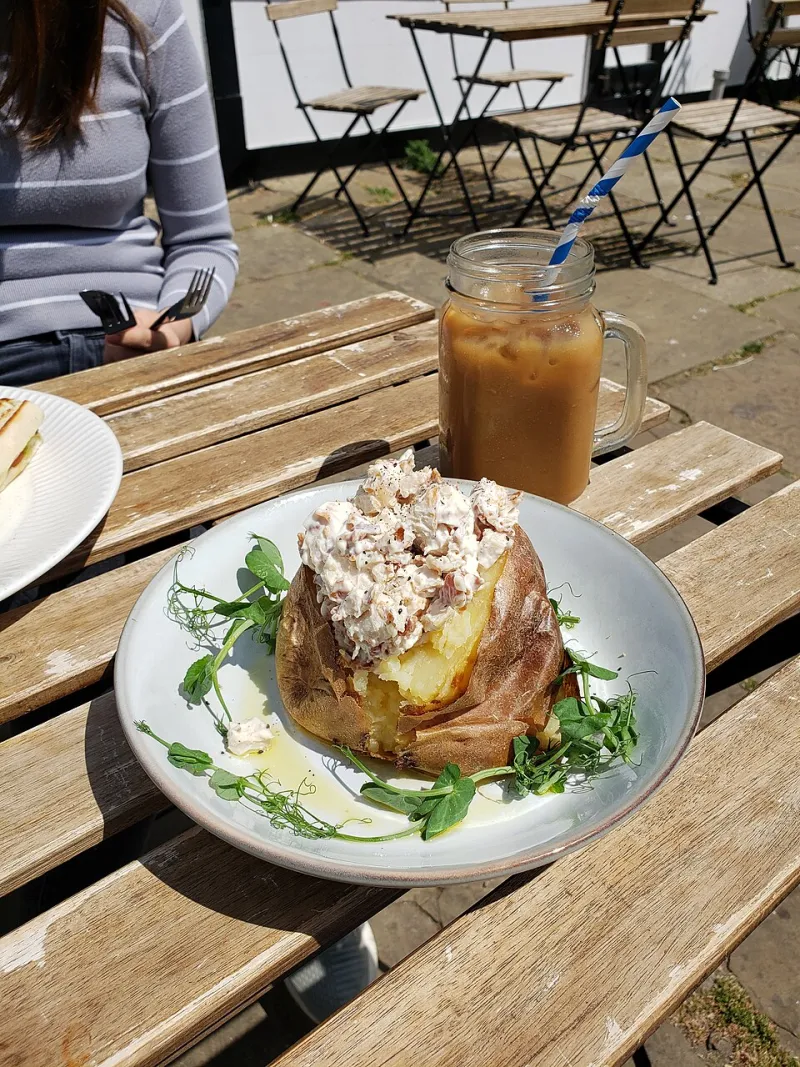
Photo: Andy Li, CC0, via Wikimedia Commons
Most of us have a jacket potato story. Mine involves a microwave, a leathery skin and a tub of margarine at a friend's house in the 1990s. It was not the potato's fault. The potato is a brilliant thing — cheap, forgiving, and capable of a crisp, salty shell around a fluffy, steaming middle. The problem is that we treat it like a shortcut food when it deserves the same care as a Sunday roast.
This is not a scientific paper. It is a manifesto, tested in the Harris kitchen over a week of lunches and suppers, with a notebook, a pair of tongs and a mild obsession with skin crispness.
First, the potato matters
You cannot make a great jacket potato from a watery, unremarkable spud. Look for floury varieties: Maris Piper, King Edward, Rooster, or a good baking potato from a farmers' market. Choose similar-sized potatoes so they cook at the same rate. A potato the size of your fist is about right; anything bigger needs longer and risks a burnt skin before the middle is done.
Wash them, then dry them properly. This is the step most of us skip. A wet skin steams instead of crisps. Dry, prick all over with a fork, and you are ready.
The Harris Kitchen testing log
We tested five methods with Maris Pipers of the same size, all seasoned with rapeseed oil and sea salt unless stated.
Oven, naked (200C fan)
The control. Good fluffy interior, but the skin was patchy — crisp in places, leathery in others. It needed more salt and more time. Score: 6/10.
Oven, salt-crusted (200C fan)
Rubbed with oil, then a heavy coating of coarse salt. Baked for 1 hour 10 minutes, turned once. The skin was glassy and crisp, the interior fluffy and dry in the best way. The salt drew out moisture and seasoned the skin. Score: 9/10. This is the house method.
Air fryer (200C)
Faster, crisper, but less fluffy. The air fryer does a brilliant job on the skin — genuinely crackly — but the middle was denser, more steamed than baked. Good for a weeknight, not for a treat. Score: 7/10.
Microwave, then oven (200C)
Eight minutes in the microwave, then 25 minutes in the oven. A clever compromise. The interior was fluffy and the skin crisped up reasonably well, though not as deeply as the full oven. Score: 8/10 for effort and speed.
Microwave only
Soft, pale and sad. The skin was damp and chewy. It is food, but it is not a jacket potato. Score: 3/10.
The salt-crust method
Heat the oven to 200C fan (220C conventional). Dry your potatoes, prick them, rub with a little rapeseed oil and roll in coarse sea salt. Put them directly on the oven rack with a tray underneath to catch the salt. Bake for 1 hour to 1 hour 15 minutes, depending on size, until the skin is crisp and a knife slides in with no resistance. Take them out and rest for five minutes — this lets the steam settle and the inside become fluffy rather than wet. Cut a cross, push the ends in, fluff with a fork, and season the inside with butter and salt before you add anything else.
Toppings: honest taste notes
Butter and flaky salt. The best. If the potato is good, this is enough.
Mature cheddar and baked beans. A classic for a reason. Warm the beans with a little butter and black pepper; do not drown the potato.
Tuna mayo. Good with spring onion and lemon. Drain the tuna well, or the potato goes soggy.
Leftover chilli. Excellent, as long as it is not too watery. A spoon of soured cream on top.
Cheese and coleslaw. Texture matters: cold, crunchy slaw against hot potato is a lovely thing.
Prawn cocktail. Retro, yes, but a properly made one with crisp lettuce and a squeeze of lemon is a treat.
The manifesto
- Buy floury potatoes and choose similar sizes.
- Dry the skin before it goes anywhere near heat.
- Salt the outside properly — coarse salt, not a pinch.
- Use the oven for the best texture; use the air fryer when time is short.
- If you microwave, finish in the oven or air fryer to crisp the skin.
- Rest the potato before opening it.
- Season the inside, not just the top.
- Keep toppings thick, not watery.
- Eat it hot, with a proper knife and fork, and no apology.
The jacket potato is not a compromise. It is a cheap, excellent supper that asks for patience and a bit of salt. That is not much to ask.