The Vinegar Shelf Audit: Bottles That Earn Their Keep
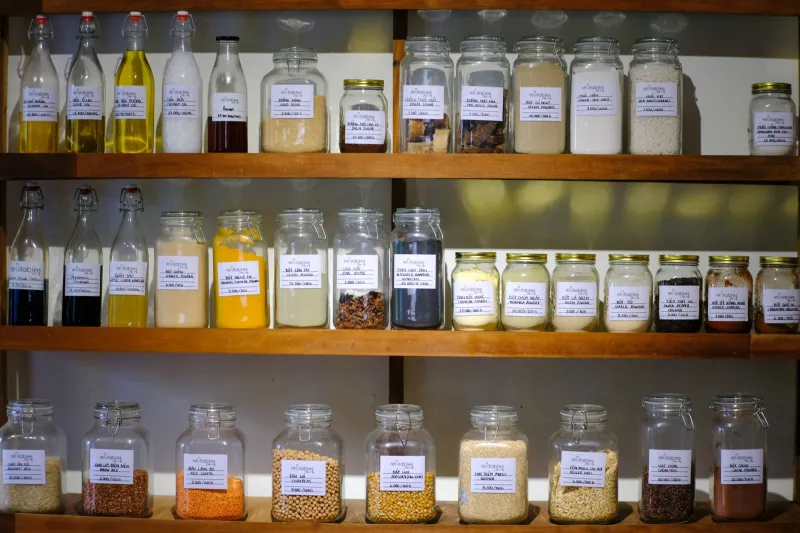
The vinegar shelf is one of the few places in my kitchen where I can pretend to be organised. It is also where bottles go to be quietly ignored. So in November 2026 I took everything down, lined the bottles up and asked a blunt question: which of these do I actually reach for, and which are just taking up shelf space? This is not a collector's guide. It is a workhorse audit for a normal UK kitchen, where a bottle needs to earn its place.
The workhorses
Malt vinegar
Taste: sharp, malty and a bit blunt. Use: chip-shop-style chips, pickled onions, red cabbage, marinades for beef. Keep a big cheap bottle. Do not use it in a delicate vinaigrette unless you like the taste of a chippy. It is the bottle I buy most often and the one I would replace first.
Cider vinegar
Taste: fruity sharpness, less aggressive than malt. Use: pork, slaws, mustardy salad dressings, pickled shallots, a splash in bean stews. It is the middle-ground vinegar. If you only keep two, make it malt and cider. British cider vinegar is widely available and good value; there is no need to buy the most expensive one on the shelf.
White wine vinegar
Taste: clean, winey, precise. Use: vinaigrette, poaching eggs, quick pickles, mayonnaise, dressing for a white bean salad. This is the one I reach for when I want acid without a flavour stamp. Buy a mid-priced bottle; the very cheap ones can taste flat.
Red wine vinegar
Taste: rounder, slightly fruity, sturdy. Use: lentil salads, tomato dressings, beef stews, chimichurri. It can overpower delicate leaves, so use it with gutsy ingredients.
The ones with a specific job
Balsamic vinegar
Balsamic is not one thing. Cheap balsamic is sweet and thin; aged balsamic is syrupy and almost a condiment. Use: roast vegetables, tomatoes, strawberries, a glaze for sausages. Do not treat it as your all-purpose acid — it has a strong personality. Keep one mid-range bottle for cooking and finishing, and if you have an expensive aged one, actually use it rather than saving it for guests.
Sherry vinegar
Taste: nutty, savoury, bright. Use: soups, lentils, mushrooms, pan sauces, a dressing for roasted peppers. If you want one upgrade, this is it. It is not essential, but it is the bottle that makes people ask what is in the dressing.
The maybe shelf
Rice vinegar: mild and slightly sweet; useful for pickles and Asian-style dressings. If you cook that way, keep it. If not, it will sit. White distilled vinegar: useful for cleaning and pickling, not my first choice for food. Raspberry or other fruit vinegars: nice for one specific dressing, but rarely used. I would rather squeeze a lemon.
The dust gatherers
- Very expensive aged balsamic: lovely, but if you save it for guests it goes syrupy in the cupboard. Use it or lose it.
- Herb-flavoured vinegars: often taste dusty rather than herby. Fresh herbs in a dressing are better.
- Novelty bottles with no clear job: if you cannot remember the last time you opened it, it is decoration.
- White distilled vinegar as a food vinegar: it does a job, but that job is usually cleaning the kettle.
The final shelf
If space is tight, keep malt, cider, white wine and one balsamic. If you have room for six, add red wine and sherry. That covers chips, salad, pickles, roast vegetables and a pan sauce without turning the shelf into a museum. The rest can go — or at least move to the back of the cupboard and stop pretending.