Before the Frost: A Small-Batch Green Tomato Chutney That Earns Its Waiting Time
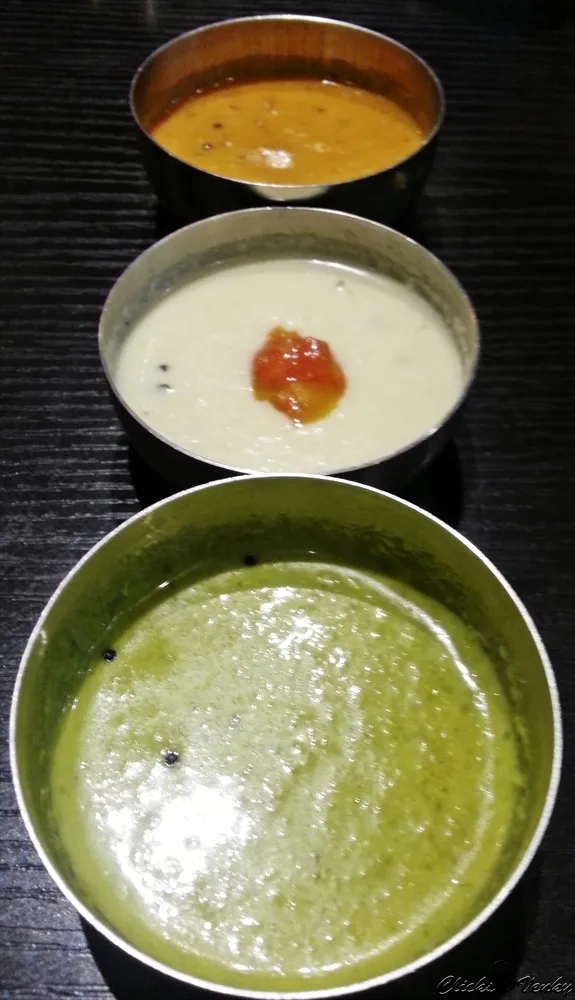
Photo: Venkatachalam Narayanan - v3venky, CC BY-SA 4.0, via Wikimedia Commons
Every November there is a bowl by the kitchen window that tells the truth about the growing season. In 2026 mine held about a kilo of tomatoes that had refused to ripen: hard, pale green, some with a faint blush that never went anywhere. They are not salad material. They are not fried-green-tomato material either, unless you like your lunch to fight back. What they are is chutney material, and a small pan of it is one of the better ways to close out the year without pretending the summer went on longer than it did.
This is not a recipe for a vast preserving session. It makes four or five jars, which is about right for a household that wants chutney on a cheese board, in a sandwich and beside a cold cut or two, without dedicating a whole Saturday to it. It is also not a relish. That distinction matters, and I will come back to it.
What goes in the pan
- 1kg hard green tomatoes, cored and roughly chopped
- 2 medium Bramley apples, peeled, cored and chopped into rough 1cm pieces
- 250g onions, thinly sliced
- 150g light muscovado sugar
- 200ml cider vinegar
- 1 tbsp yellow mustard seeds
- 1 tsp fine salt
- A small piece of fresh ginger, peeled and grated, about the size of a thumb
- A pinch of chilli flakes, optional and easy to overdo
Use a heavy pan. A wide shallow one reduces faster than a tall stockpot, and faster reduction means brighter colour. Sterilise your jars properly: wash them hot, dry them in a low oven, and have the lids ready before the chutney is. This is not the step to freelance.
The method, without ceremony
Toast the mustard seeds in the dry pan for a minute or so, until they start to pop and smell nutty. Add the onions and a splash of the vinegar, then cook gently until they soften but do not brown. Add the tomatoes, apples, ginger, salt and the rest of the vinegar. Bring to a simmer, then add the sugar and stir until it dissolves.
Now leave it alone for a while. Simmer uncovered for 45 minutes to an hour, stirring every ten minutes or so, until the mixture is thick enough that a spoon dragged through it leaves a clean trail for a second or two. The tomatoes will collapse, the apple will soften but not vanish, and the colour will go from sharp green to a duller olive-brown. That is normal. Do not try to keep it bright green; you will only undercook it.
Pot it hot into warm jars, seal, and leave to cool. Label with the date. This is the point where most of us are tempted to taste it immediately, and this is also the point where the chutney is at its least impressive.
Two days in: sharp, busy, not yet itself
At the two-day mark the vinegar is still loud and the mustard seed is doing most of the talking. The apple pieces are distinct, the tomato is soft but a bit flat, and the sugar sits on top of the whole thing rather than inside it. It is not unpleasant with a slab of mature cheddar, but it is brash. It tastes like a chutney that is still introducing itself.
If you served this at a table now, someone would say it was "interesting" and mean it politely. The chilli flakes, if you used them, are more visible than they will be later. The salt is not yet folded into the whole. It is worth writing a note at this stage, because the difference later is the useful part.
Two weeks on: the point where it settles
After a fortnight in a cool cupboard, the same jar tastes like a different recipe. The vinegar has softened into something rounder, the sugar has stopped being a separate ingredient, and the mustard seed has mellowed from a hot pop to a gentle background crunch. The apple has given up its shape in a good way, thickening the body without turning it to paste. It is still sharp, but it is sharp with a direction.
This is the version that belongs on a cheese board, or in a leftover roast beef sandwich on a Monday, or alongside a baked potato that needs something more than butter. It is not a hot chutney. It is a fruity, mustardy, gently sour one, and it gets better for at least another month.
The case for letting it sit
Chutney is not relish. Relish is supposed to be immediate: bright, crunchy, sharp, made to be eaten within days. Chutney is a slow argument between acid, sugar and time. The two-week mark is the first respectable checkpoint, but four weeks is better and three months is better still. If you open a jar on day two and decide you do not like it, you have not really tasted it yet.
A small batch helps here because you are not gambling a whole cupboard on one pan. Make four jars, put three at the back of the shelf, and keep one for the cheese board. If the green tomatoes on your windowsill are still hard by mid-November, this is a decent use of them. If a frost is forecast, bring them in, sort out the split ones, and get the pan on. The chutney will wait, which is more than can be said for the tomatoes.