Sharpen Before You Sweeten: Three Trays of Parsnips and the Case for Acid
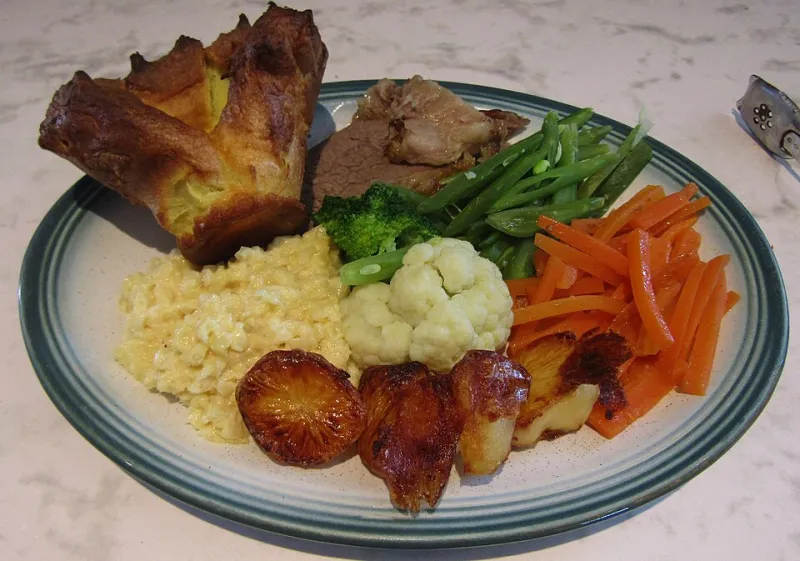
Photo: Kolforn (Kolforn) I'd appreciate if you could mail me ([email protected]) if you want to use this picture out of the Wikimedia project scope. This file is licensed under the Creative Commons Attribution-Share Alike 4.0 International license. Yo
Parsnips have a reputation problem dressed up as a compliment. We call them sweet, roast them with honey, and then wonder why a second spoonful feels like a chore. This November I cleared an afternoon, bought three bags of loose roots from the same market stall, and roasted them three ways: honey, cider vinegar, and nothing but salt and oil. It was less a recipe contest than a correction.
The buying bit: choose roots, not logs
A good parsnip is firm, heavy for its size and slightly rough to the touch. Avoid the bendy ones — they have been hanging around — and skip any with soft patches or a greyish blush. Small to medium roots are usually the safest bet for the roasting tin. The very large ones can be perfectly fine, but they often hide a woody core running up the middle. If you cut one and the centre looks dense, pale and separate from the rest, cut it out before cooking. You lose a little weight and gain a much better texture.
I do not peel parsnips too deeply. A good scrub under the tap, then a light scrape with a knife, is enough. Loose roots from a greengrocer or farmers' market are worth seeking out because you can pick the ones you want rather than accepting whatever is in the bag. The old line about frost sweetening parsnips is true enough, but it is not a reason to drown them in honey. Sweetness is not the same as flavour.
Three trays, one hot oven
I cut the parsnips into batons roughly the size of a chip, tossed them with olive oil and fine salt, and spread them across three trays. All three went into a 200C/180C fan/gas 6 oven for about 25 minutes, turned once.
The first tray got a tablespoon of honey stirred through the oil before roasting. The second got oil and salt only, then a sharp glaze tossed through while hot. The third got oil and salt, full stop.
The honey tray came out glossy and soft, with dark caramel edges. The first bite was lovely. By the third forkful, the parsnip had gone quiet behind the sugar. The salt-only tray was nutty and clean, but a little earnest — the sort of thing that needs gravy to finish the sentence. The vinegar-glazed tray was the one I kept going back to. The acid did not make it sour; it made the sweetness taste like parsnip rather than syrup. That is the whole point.
The acid-led glaze I keep making
This is not a fussy recipe. It is the sort of thing you can mix in a mug while the parsnips are in the oven.
For four to six as a side: 700g parsnips, 2 tbsp olive oil, 2 tbsp cider vinegar, 1 tbsp lemon juice, 1 tsp Dijon mustard, the zest of half a lemon, flaky salt and black pepper.
Roast the parsnips with the olive oil and a good pinch of salt at 200C/180C fan/gas 6 for 25 to 30 minutes, until the edges are browned and the centres are tender. Whisk the vinegar, lemon juice, mustard, zest and a pinch of salt in a small bowl. Tip the hot parsnips into a serving dish, pour over the glaze and toss gently. Finish with black pepper and a little more flaky salt. If the roots are older or especially large, add half a teaspoon of honey to the glaze — half a teaspoon, not a tablespoon. The acid should still lead.
When sugar helps, and when it flattens
I am not anti-honey. A little sugar helps parsnips brown, and it can flatter them when the rest of the plate is sharply acidic or bitter — think a mustard-heavy pie or a salad with bitter leaves. It also helps if you are roasting at a lower temperature and want a stickier edge.
But sugar is a terrible default. Too much honey softens the outside before the middle has had a chance to caramelise, and it blunts the earthy, slightly nutty note that makes parsnips worth eating. The same goes for maple syrup and brown sugar. If the parsnips are already sweet — and in a decent November they usually are — the sugar has nothing to push against.
Acid is the better lever. Cider vinegar, lemon juice, a spoon of mustard, even a little tamarind or vinegar-based hot sauce: they all sharpen the finish. Salt is the other half of the job. A parsnip without enough salt tastes sweet and muddy; the same parsnip with a proper pinch tastes rounded and savoury.
The verdict
If I were cooking a Sunday roast this weekend, I would roast the parsnips plainly, then toss them with the vinegar glaze at the end. If I wanted a stickier, more indulgent tray, I would use a little honey — but I would still finish with lemon. The rule I have written on the scruffy notebook in the kitchen is simple: sharpen before you sweeten. Parsnips do not need to be rescued from themselves. They need a bit of contrast, a hot oven and someone who trusts them not to be bland.